
Beyond the Wounds: Identity-Based Harm & Community Care
Identity-based harm can show up in ways both overt and subtle, shaping our lives, our relationships, and our sense of safety in the world. For LGBTQ+ folks, this harm is often multifaceted: direct experiences such as discrimination, verbal abuse, denial of opportunities, and physical or emotional violence intersect with systemic and structural injustices. Policies, laws, and institutional practices that criminalize or erase LGBTQ+ identities can reinforce these wounds, creating cumulative effects on mental health that ripple through communities and generations.
Reflective question: Where in your life or community have you witnessed identity-based harm, whether directly or indirectly? How has it shaped your sense of safety or belonging?
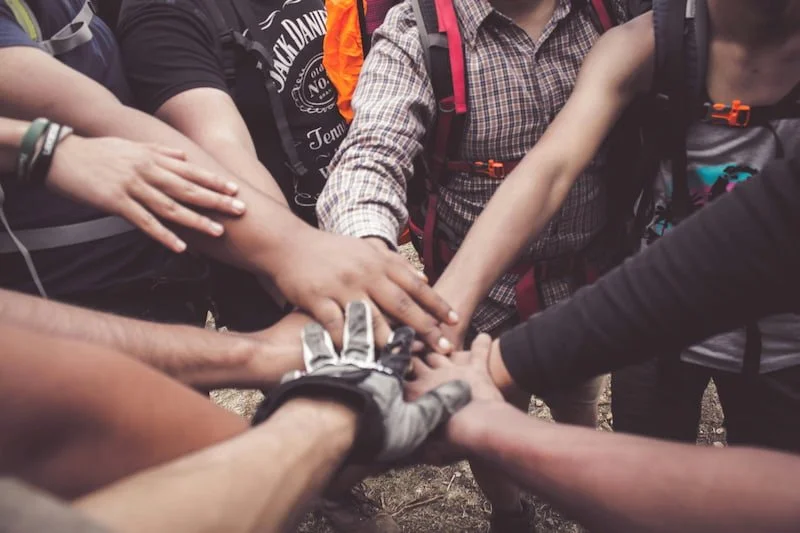
When we look at how communities respond to harm, community care emerges as a powerful, resilient force. Community care includes mutual aid, grassroots organizing, harm reduction strategies, protests, and advocacy. These efforts demonstrate that when institutions fail, people step up to protect and support one another. Historically, the LGBTQ+ community has leaned into these practices, especially during times of crisis. Mutual aid networks in the 1970s, and the life-saving efforts during the AIDS epidemic, are examples of communities creating care infrastructure from the ground up. Figures like Miss Major Griffin-Gracy led street clinics for HIV prevention, education, and outreach, embodying the intersection of activism and wellness. Her work reminds us that care is not just clinical—it can be radical, intentional, and deeply rooted in community values.
Reflective question: How can the lessons from historical acts of LGBTQ+ community care inform how you show up for others today?
In contemporary life, identity-based harm continues to manifest. Even if we are not direct targets, witnessing attacks on community members, the passage of anti-LGBTQ laws, or biased institutional practices can generate collective stress, anxiety, and grief. This “vicarious harm” is real—it accumulates over time and contributes to a collective mental health burden. Within therapy rooms, community spaces, and online networks, we see these effects play out as hypervigilance, fatigue, depression, and relational strain. Yet, anger, when acknowledged and expressed safely, can be a unifying and mobilizing force, helping communities organize, advocate, and build support systems.
Reflective question: How do you recognize and process the collective anger that arises from witnessing harm toward your community? How can it be transformed into action?
Community care isn’t just reactive—it’s preventive. Safe spaces, workshops on rights, mutual aid, harm reduction programs, and accessible queer services support mental health and resilience before crisis strikes. These practices allow communities to buffer the impacts of identity-based harm while fostering connection and solidarity. Practicing community care means noticing the stressors in ourselves and others, intervening thoughtfully, and co-creating systems that protect the most vulnerable among us.
Reflective question: What small acts of care or advocacy can you contribute to your community this week? How can your presence make a tangible difference for someone navigating harm or marginalization?
Another layer of identity-based harm involves intersectionality. Many LGBTQ+ individuals experience compounding marginalization due to race, immigration status, disability, neurodivergence, or class. Each layer shapes how harm is experienced and how healing looks. Community care must be intersectional, centering the needs of those who navigate multiple systems of oppression. Recognizing the interplay between these identities can help build more inclusive, sustainable, and equitable support networks.
Reflective question: In what ways do your community care efforts account for the intersectional experiences of those most impacted by systemic harm?
Despite the challenges, there are moments of warmth and connection that sustain communities. Seeing people mobilize, witnessing acts of solidarity, and experiencing collective joy or celebration reminds us that we are not alone. These moments illustrate that community care is both a shield and a bridge: a way to heal wounds while building foundations for a more inclusive future. By showing up for one another, we not only respond to immediate harm but also contribute to a long-term blueprint for queer wellness and resilience.
Reflective question: What stories of resilience inspire you to show up for your community? How can your presence contribute to building lasting systems of care and wellness?
As mental health professionals within queer-centered organizations, we see firsthand the importance of these practices. Identity-based harm affects bodies and minds, relationships, and communities. It manifests as hypervigilance, anxiety, depression, relational strain, and exhaustion. By leaning into community-based care, we not only support our clients’ mental health but also strengthen the collective resilience of our communities. The act of co-creating, of showing up for one another, is itself a radical step toward healing and empowerment.
Reflective question: How can you integrate community care into your daily life—not just as an abstract concept, but as real, actionable support for those around you?
Ultimately, the future of LGBTQ+ wellness depends on recognizing our individual and collective roles in shaping it. Each act of care, advocacy, or solidarity contributes to a blueprint for a safer, more equitable, and thriving community. Community care is ongoing, evolving, and alive. By participating, reflecting, and acting, we honor those who have come before us while laying the foundation for the generations to come.
Closing reflection: What role will you play in imagining and building the next chapter of LGBTQ+ community care? How will your presence, voice, and actions help heal past wounds and strengthen collective resilience? Learn more about LGBTQ therapy support.