
Community Care as Queer Survival and Collective Healing
Why We Heal Better Together
What Is Community Care?
Community care is the practice of recognizing that our well-being is interconnected. It moves beyond the idea that healing is an individual responsibility and instead asks: How do we show up for each other?
For LGBTQ+ communities, community care isn’t new — it’s ancestral. Long before institutions offered support, queer people relied on chosen family, mutual aid, shared resources, and collective resistance to survive.
Reflection:
Who has cared for you in ways that weren’t formal or professional — but were deeply healing?
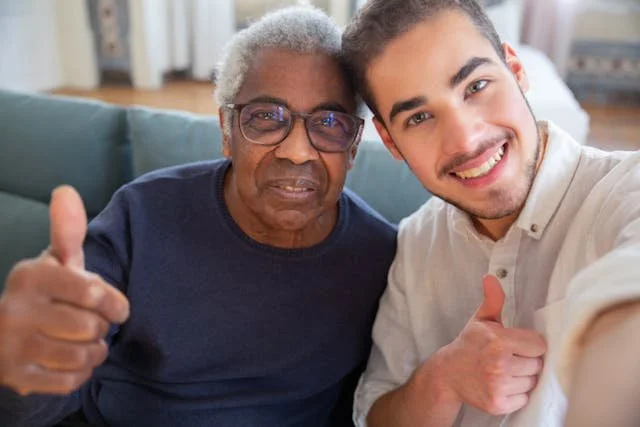
Why Individual Coping Isn’t Enough
So many of us are taught that mental health is about self-regulation, productivity, and personal resilience. And while those tools can help, they’re incomplete. Identity-based harm happens in relationship — through systems, policies, and social norms — and it requires relational healing.
Capitalism and white supremacy thrive on isolation. They teach urgency, perfectionism, and self-sufficiency. Community care pushes back by saying: You don’t have to earn rest. You don’t have to do this alone. You are allowed to need people.
Reflection:
What fears come up when you imagine relying on others? Where did you learn those fears?
Community Care in Action
Community care can look like many things: mutual aid, checking in on neighbors during ICE activity, creating queer third spaces, or sharing knowledge and resources. It can be quiet or visible, local or expansive. What matters is that it’s rooted in collective responsibility and accessibility — especially for those most impacted by harm.
Community care doesn’t mean ignoring boundaries or pretending harm doesn’t happen within communities. It means practicing accountability, repair, and compassion. It means choosing interdependence even when it’s uncomfortable.
Generational Strength Beyond Bloodlines
For queer folks, generational strength isn’t only about family of origin. It includes queer elders, ancestors, and those who came before us — especially those who survived when survival was never guaranteed. Remembering that lineage can be grounding in moments of despair. For many, working through this history in trauma therapy can create space to process what has been carried — personally and collectively — and begin to release what no longer needs to define you.
You don’t have to be fully healed to belong. You don’t have to have it all figured out to be part of something larger than yourself.
Reflection: What kind of community do you want to help build — even in small ways?
Healing is not a solo act. It’s a collective one. And every time we choose connection over isolation, we are resisting the systems that taught us to disappear.