
Hope Is a Practice: Finding Ground Through Action
Last weekend, we showed up.
At the No Kings Day 3 Rally, we stood alongside community—organizers, activists, healers, and folks who are just trying to make sense of the world we’re living in. There was a mix of emotions in the air: anger, grief, determination… and something else that I think often gets overlooked.
Hope.
Not the kind of hope that asks you to ignore what’s hard or pretend things are better than they are. But a grounded, lived kind of hope—the kind that comes from doing something.
Because the truth is, hope isn’t always something you feel first. Sometimes it’s something you build.
Reflection Question:When I think about hope, do I expect it to come before action—or have I experienced it growing because I took action?
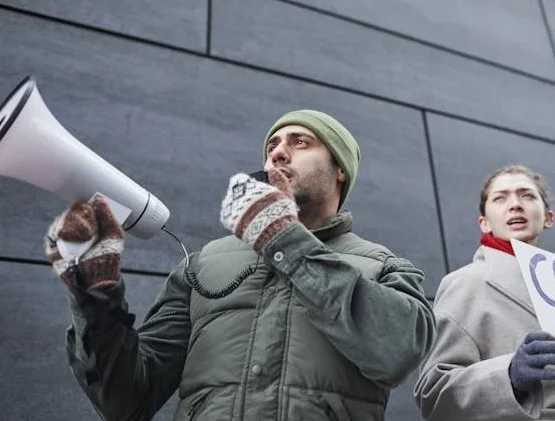
Hope Isn’t Passive
There’s a narrative that hope is something soft. Quiet. Almost wishful.
But in practice, hope is active and requires engagement.
It looks like showing up when it would be easier to disconnect.It looks like lending your voice, your presence, your body to something bigger than you.It looks like choosing connection in moments where isolation might feel safer.
At OSTC, we talk a lot about how disconnection fuels anxiety, burnout, and despair. And right now, there’s a lot in the world that can pull us in that direction.
Action interrupts that.
Not by fixing everything—but by reminding your nervous system that you’re not powerless.
Reflection Question:Where in my life have I been waiting to feel ready before taking action?
Community as Regulation
Being at the rally wasn’t just about the message—it was about the experience of being together.
There’s something regulating about being in community with people who share your values. You don’t have to explain yourself. You don’t have to justify why you care.
You just… belong.
And that matters for mental health more than we often give it credit for.
Because when you’re surrounded by others who are also showing up, something shifts internally. The weight you’ve been carrying alone gets distributed. Your capacity expands. Your sense of possibility widens, even just a little.
That’s not accidental. That’s relational healing.
Reflection Question:Where do I experience a sense of shared purpose or belonging—and how does that impact how I feel?
Small Actions Still Count
Not everyone can—or wants to—show up to a rally. And that’s important to name.
Action doesn’t have to be big or public to matter.
It can look like checking in on a friend.Setting a boundary.Having a conversation you’ve been avoiding.Supporting a community space.Letting yourself care about something instead of numbing out.
These are all forms of engagement. And engagement is what creates movement—internally and externally.
Hope builds through participation. Not perfection.
Reflection Question:What is one small, meaningful action I can take this week that aligns with what I care about?
Hope, Built Over Time
If there’s one thing I keep coming back to, it’s this: hope isn’t something we either have or don’t have.
It’s something we practice.
It’s built in moments—when we choose to stay engaged, when we reach toward community, when we allow ourselves to care even when it’s hard.
Last weekend was a reminder of that. Not because everything suddenly feels resolved—but because we showed up. Together.
And sometimes, that’s where hope is able to grow.
Reflection Question:What helps me stay connected to hope—even in moments when things feel uncertain or overwhelming?
Closing: You Don’t Have to Do It Alone
If things feel heavy right now, you’re not alone in that.
And you don’t have to carry it alone either.
Whether it’s through community, therapy, or small daily actions, there are ways to stay connected—to yourself, to others, and to the possibility of something different. If you’re looking for added support, trauma-informed therapy can offer a compassionate space to begin.
Hope doesn’t require certainty.
It just asks for participation.
And that can start wherever you are.