
Built for All of Us: What Queer Community Actually Requires
I have been in a lot of queer spaces. Some of them changed my life. Some of them left me feeling more alone than when I walked in. And I have spent a lot of time thinking about what makes the difference.
This series has been about breaking toxic relationship patterns, and we have mostly been talking about the intimate ones. The one-on-one dynamics, the chosen family dynamics, the ways that shame and survival mode follow us into our closest connections. But there is another layer that does not get enough attention: the larger queer community we are all trying to build and find ourselves in. Because what happens in those bigger spaces shapes us too.
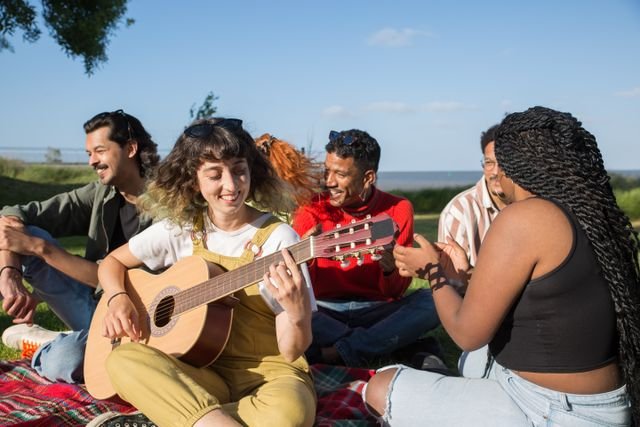
Community Is Not a Social Scene
One of the most clarifying things I have heard recently is this: you can move in and out of a social scene without any investment in it. Community is different. Community is year-round, all hands in, organized mess. It asks something of you. It also gives something back that a bar night or a party simply cannot.
That does not mean the social scene is not valuable. It is part of our history and it is not going anywhere. But if the only queer spaces available to you are ones built around consumption and performance, you are going to feel the gap. Because what most of us are actually hungry for is to be known, not just to be around other queer people.
Reflection: Think about the queer spaces you have been a part of. Which ones asked something of you, and which ones just let you pass through? How did each feel in your body?
What "Inclusive" Actually Means
Here is a red flag worth naming directly: the word inclusive getting thrown around without any evidence behind it. We have all been in spaces that called themselves inclusive and were anything but. Spaces that said they were for everyone and somehow ended up being for the same narrow slice of queerness, usually whiter, usually more gender-conforming, usually more resourced.
Real inclusivity is not a tagline. It shows up in who is on stage, who is on staff, who feels welcome enough to actually walk through the door and stay. When you walk into a space and everyone looks the same, that is information. Somebody, somewhere, made choices that led to that outcome, whether they meant to or not.
Policing gender expression in a queer space is a red flag. Defining who counts as queer enough is a red flag. And spaces that talk about community while centering one demographic are not building community. They are building a club.
Reflection: Have you ever been in a queer space that said it was for you but made you feel otherwise? What was the signal, and did you trust it?
Community Organizers Are Human Too
This one does not get said enough. The people building these spaces are often the last ones taking care of themselves. They are the first up and the last to eat and the ones holding everything together while running on empty. Leaning into those people, checking on them, offering to take something off their plate is part of what makes a community healthy. It is not just about what you receive. It is about what you contribute.
And when something goes wrong, because it will, healthy community does not mean sunshine and no friction. It means the communication lines are open enough that someone can say something went wrong, get heard, and be part of figuring out what comes next. Repair is not a one-person job.
Reflection: Where in your community life are you a receiver, and where are you a contributor? Is that balance feeling sustainable?
Joy Is Not an Afterthought
The thing that keeps drawing me back to this conversation is the insistence that queer joy is not optional. And not joy as in everything is butterflies and rainbows, but joy as connection, trust, playfulness, holding and being held by people you share a balanced commitment with. That kind of joy is not the reward you get after all the hard work is done. It is the point. When we build spaces that hold our full humanity, including the parts of us that are still healing, the joy just comes out. It is right there, waiting.
That is what we are building toward. Not perfect community. Not conflict-free community. Community that is real and ever evolving and intergenerational and full enough that we have the room to change and grow and still fit inside it.
Reflection: What would it feel like to be in a queer community space where you did not have to manage how much of yourself you brought in?
You Deserve Spaces That Were Built With You in Mind
At Open Space Therapy Collective, we think about this a lot. The therapeutic relationship is its own small community, one built on trust, honesty, and care. If you are ready to do the deeper work of understanding your relationship patterns, including how you show up in community, our QTPOC therapy services can offer a supportive place to begin. Book a free 15-minute intro call and let’s start there.